

A well-maintained roof can last for up to 30 years. However, the durability also depends on various other factors, such as the types of roofing and the underlying climates.
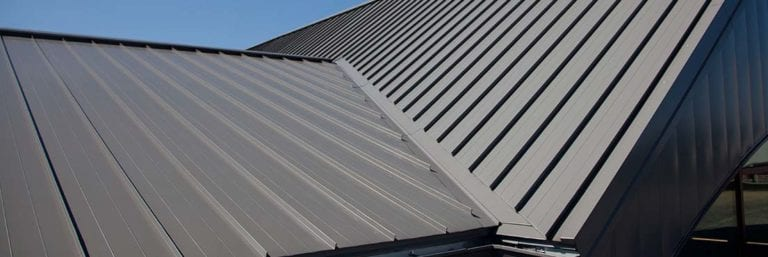
Your roof is the first line of defense against harsh weather. As such, you must take every possible measure to ensure due diligence when choosing between the different roofing systems.
Metal roofs are reliable and long-term solutions to modern roofing.
For most people, understanding the unique features between the various types of metal roofs can be overwhelming. So before you make this roofing decision that will affect you in the long haul, here is everything you need to know about the various types of metal roofs.
Metal Roofs: 3 Most Common Types
The term metal roofing is broad and covers a wide range of related materials.
Today, more homeowners are turning to metal roofs as a solution to their long-term need for sustainable roofing. The interest is especially considering the aspect of durability and energy efficiency when using metal roofing.
Are you considering settling for a metal roof for your next home project? Well, there are many different types of metal roof options available to you.
Here are the various options you could consider.
1. Aluminum Roofing
Most homeowners consider aluminum roofing as a reliable option. This is because aluminum is useful in its metal and seam roof form when undertaking the roofing process.
Aluminum metal roofing is applicable for both commercial and domestic roofing due to the broad scope of design solutions it offers.
Pros
One of the main advantages of settling for aluminum roofing options is the aspect of longevity. When well-maintained, aluminum roofing can last beyond the 30-year threshold, which makes this option worthwhile.
If you are looking for an option that won’t rust easily, then aluminum is worth your consideration. This option is especially recommended for use in coastal climates. Aluminum has a notable resistance to corrosion, which gives this type of metal a kind of protection that is uncommon in most other materials.
2. Copper Roofing
Copper roofing is by far the oldest form of metal roofs.
Copper is a long-lasting metal and is installable even in the most extreme climates. In ideal settings, this type of metal has proven that it can survive well over the stipulated 30 years.
Pros
Most traditional homes have copper roofs, considering the aspect of durability this option offers.
Copper is not prone to damage due to hail storms or other harsh conditions. This is because copper has a sturdy surface, which makes it damage-resistant.
The other key advantage of copper is that even when damaged, the outcome is often a puncture as opposed to a dent on the surface.
Cons
Copper is the most expensive roofing option you may consider in the market. As such, most people often opt to go for cheaper alternatives.
Copper also tends to expand and contract when put under extreme temperatures. These weaknesses raise concern, especially for homes built in humid areas.
Nevertheless, under normal climatic conditions and with proper maintenance, copper roofs may provide security over your head.
3. Steel Roofing
Steel combines metal and other elements to create an alloy that has long been used in the commercial sector. Over time, even residential buildings have embraced the idea of using steel for roofing. Most of the steel used in the real estate sectors today is made from recycled materials, or iron and other elements.
Types of Steel Roofing
You have three options for steel roofing when deciding on your roofing preferences.
The first is the galvanized steel option. This type of steel roof is made by using a layer of zinc on top of the steel to reduce the risk of corrosion.
Second, you may consider the Galvalume steel alternative. This option uses a combination of aluminum and zinc to enhance the level of protection against corrosion.
There’s also a third type of steel roofing, which is known as weathering steel. Weathering steel utilizes heavy metals in the production process and is useful in instances such as bridge construction and in other major projects.
The three forms of steel metal can be applied in both commercial and residential roofing. Over the last two decades, there have been observable changes in the way roofers approach the use of steel metal for roofing.
Steel metal is among the hardest metals, which makes the option suitable even in extreme weather conditions.
Pros
Steel is among the most environmentally sustainable roofing options you’ll ever find.
One of the key advantages of using steel is that it’s way cheaper than all the other metal roofing options. This means that this option is not only affordable, but also readily available.
Steel metal has an element of flexibility when in use. This element of flexibility makes the metal useful to modern designers because of the ability to play around with different patterns and designs.
Steel roofing works best in areas that have hail and high winds, considering the sturdy nature of this roof type.
Metal Roofing Guarantees You a Stable Roof Over Your Head
No other roofing alternative is as reliable as metal roofs. Whether you are looking for longevity, flexibility, or affordability, metal roofing options offer this and much more.
Are you looking for a solution to your roofing needs? These types of metal roofs provide results based on all your preferences and prerequisites. All you need to do is to consider working with reliable roofing experts and your outcome will be satisfactory.


